
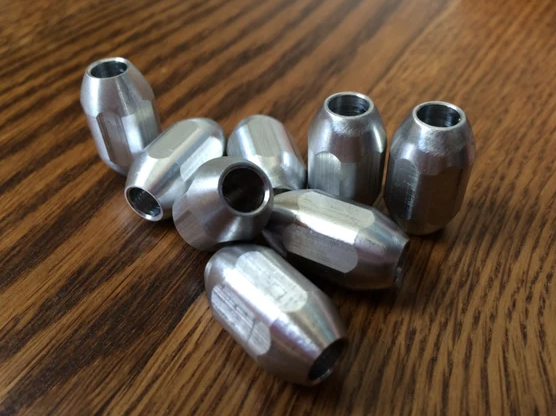

Aluminum paracord beads are lightweight metal components designed to slide onto paracord strands, adding functionality and style to outdoor gear, survival bracelets, and handmade accessories. They weigh 60-75% less than steel alternatives while maintaining structural integrity for most applications.
More about paracord beads:
Why Choose Aluminum Paracord Beads Over Other Materials?
Aluminum delivers three advantages that matter in real use. First, weight savings—a typical aluminum bead weighs 0.8-1.2 grams versus 3-4 grams for steel. Second, corrosion resistance without coatings or treatments. Third, affordability at $0.15-0.40 per bead compared to $0.60-1.20 for titanium.
The tradeoff? Aluminum scratches easier than hardened steel. For decorative work or gear that won’t see abrasive contact, this doesn’t matter. For climbing equipment or heavy-duty tools where the bead experiences constant friction against rock or metal, steel becomes the better choice despite added weight.
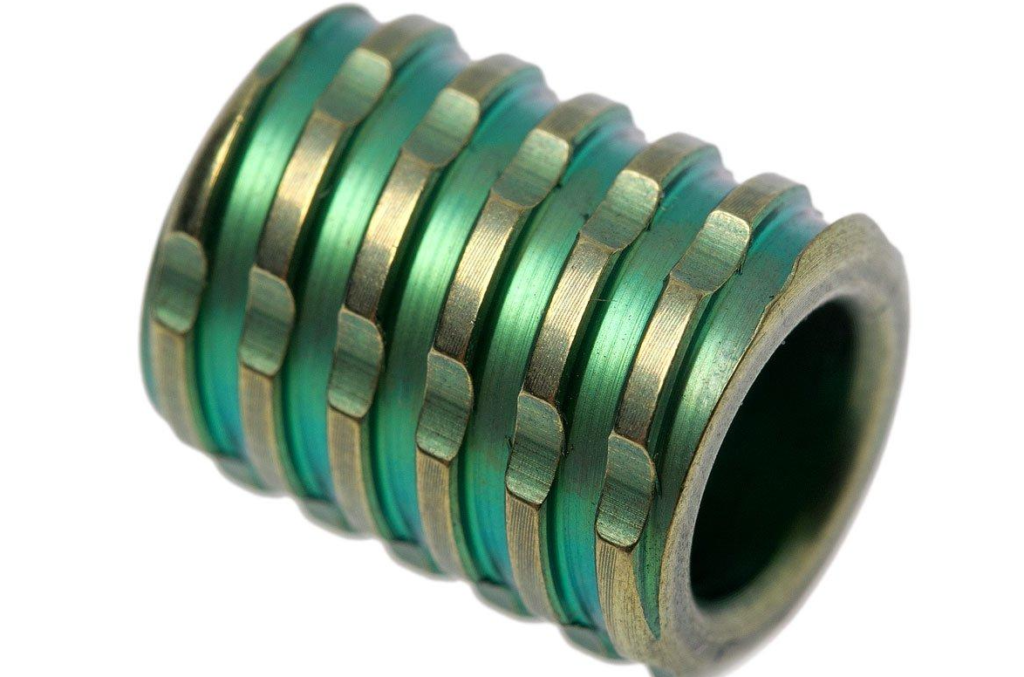
Various aluminum beads for paracord – 5mm, 7mm, 10mm inner diameter options
The Engineering Behind the Lightness
Aluminum’s density sits at 2.7 g/cm³ versus steel’s 7.85 g/cm³. Think of it like comparing styrofoam to clay—both can form the same shape, but one requires far less material to fill that space. This density difference explains why aerospace engineers choose aluminum for aircraft components where every gram affects fuel consumption.
What Hole Size Works With 550 Paracord?
Type III 550 paracord measures 4mm (0.16 inches) in diameter. You need a minimum 4.5mm inner diameter bead for smooth threading. Most manufacturers produce aluminum beads in three standard sizes:
- 5mm ID: Standard fit for single-strand 550 cord
- 7mm ID: Allows doubled paracord or passage of larger knots
- 10mm ID: Accommodates triple strands or bulky weaving patterns
Measure your cord with calipers before ordering. Manufacturer specifications sometimes list outer diameter instead of inner diameter, which leads to beads that won’t thread.
How Metal Beads for Paracord Changed the Craft
Fifteen years ago, crafters used pony beads or fishing weights. Pony beads cracked under tension. Fishing weights oxidized and stained the cord green within months. Some experimented with carved wood beads, but moisture made them swell and bind on the cord.
Aluminum solved these problems simultaneously. It doesn’t crack, doesn’t rust, doesn’t absorb water. The material reached craft markets around 2012 when Chinese manufacturers began producing precision-drilled lanyard beads specifically sized for paracord applications.
Three Critical Mistakes That Ruin Projects
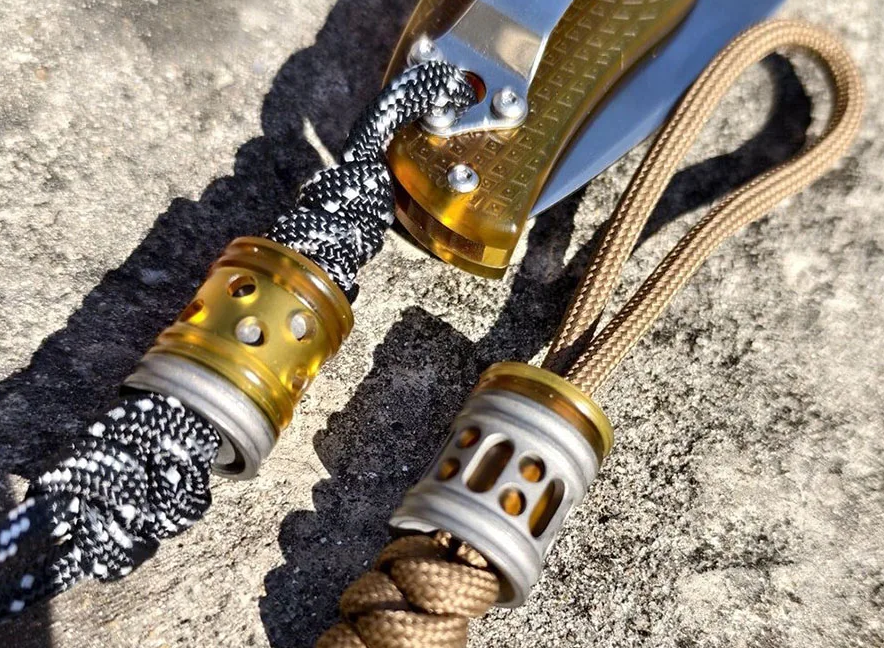
Metal paracord beads comparison – aluminum vs stainless steel vs brass
Mistake 1: Assuming All “Aluminum” Beads Are Equal
Many sellers use zinc alloy and label it aluminum. Zinc weighs more, tarnishes quickly, and can trigger skin reactions. Real test: aluminum feels noticeably lighter and won’t leave gray marks on white paper when rubbed firmly.
Mistake 2: Threading Beads Before Melting Cord Ends
This seems logical—thread first, then seal. But melted paracord creates a mushroom tip larger than the bead hole. You trap the bead permanently or spend 20 minutes scraping melted nylon.
The fix: melt and seal both cord ends first, let them cool completely, then trim the sealed tips at a 45-degree angle with sharp scissors. The angled cut slides through bead holes easily and can be re-melted after the bead reaches position.
Mistake 3: Using Beads as Load-Bearing Components
A customer once asked why beads slid off their dog leash after two weeks. They’d threaded beads onto the main cord without knots, expecting friction alone to hold position under 40 pounds of pulling force.
Aluminum-on-nylon friction coefficient sits around 0.15-0.20. Translation: minimal grip. Any sustained tension makes beads migrate. Always lock beads in place with knots, melted cord bumps, or dedicated bead locks.
Aluminum vs. Stainless Steel vs. Brass Paracord Beads: The Real Numbers
| Property | Aluminum 6061 | Stainless Steel 304 | Brass C360 |
| Weight (10mm bead) | 1.1g | 3.8g | 4.2g |
| Corrosion resistance | Excellent (oxidizes to protective layer) | Excellent (chromium passivation) | Poor (verdigris formation) |
| Scratch resistance | Low (80 HB) | High (180 HB) | Medium (110 HB) |
| Price per bead | $0.25 | $0.45 | $0.35 |
| Skin safety | Hypoallergenic | Mostly safe (some nickel sensitivity) | Allergenic (copper/zinc reactions) |
When Steel Beats Aluminum
Steel advocates argue that weight savings don’t matter for wearable items. A paracord bracelet weighing 35 grams versus 42 grams feels identical on the wrist. They’re correct for jewelry and casual accessories.
Steel also maintains cosmetic appearance longer. An aluminum bead on a heavily-used backpack strap will show wear marks within three months. Steel remains pristine for years.
However, for applications where cumulative weight matters—ultralight hiking gear, children’s accessories, large paracord nets—the 65% weight reduction becomes tangible. A survival kit with 20 aluminum beads weighs 22 grams versus 76 grams with steel. That 54-gram difference equals one energy bar in your pack.
Surface Finishes That Actually Matter
Raw aluminum (mill finish): Natural gray color, shows machining marks, $0.15-0.25 per bead
Anodized aluminum: Electro-chemical surface treatment adds 5-25 microns of hardened aluminum oxide. Available in black, blue, red, gold, purple. Increases scratch resistance by 200-300%. Cost: $0.30-0.50 per bead.
Tumble-polished: Mechanical smoothing in rotary barrels with ceramic media. Removes sharp edges and burrs. Essential for jewelry-quality projects. Adds $0.05-0.10 per bead.
Avoid painted or powder-coated aluminum beads. The coating chips off within weeks of handling, leaving ugly bare spots.
Real Project: Ultralight Camping Guy-Line System
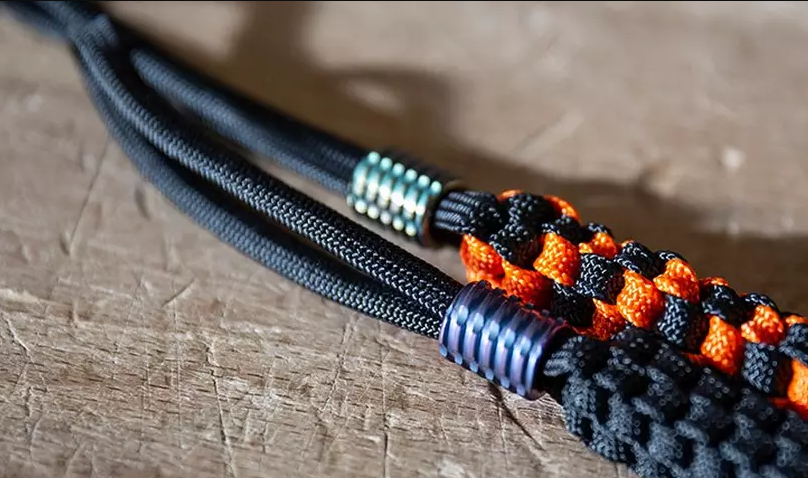
Step-by-step guide threading paracord beads with proper technique
Problem: A backpacker needed adjustable tent guy-lines that worked with gloves in darkness but didn’t add weight to an already maxed-out base weight.
Solution: Replaced traditional line-locks with 7mm anodized aluminum paracord beads plus prusik knots. Each bead is marked with a different color anodizing (red for front, blue for rear, green for sides).
Result: System weighed 18 grams versus 67 grams for commercial line-locks. Color-coding enabled setup in complete darkness by touch. Prusik-and-bead combination held firm in 30mph winds during a Wyoming storm.
Five Facts Most Sellers Don’t Know
- Aluminum naturally forms a 2-4 nanometer oxide layer within milliseconds of exposure to air. This layer makes the metal “self-healing” against corrosion—if you scratch it, new oxide forms immediately.
- 6061-T6 aluminum can handle temperatures from -80°F to 400°F without structural changes. Your paracord will melt at 450°F before the bead fails.
- Bead weight varies by 15-20% between manufacturers due to different wall thickness standards, even when outer dimensions match perfectly.
- Anodized color depth indicates oxide layer thickness: pale colors = thin layers (5-10 microns), deep colors = thick layers (20-25 microns). Thicker means more durable.
- Most aluminum beads sold as “aircraft grade” use recycled alloy that technically qualifies but wasn’t produced under aerospace quality controls.
“Don’t assume tight bead fit on cord is good. If the bead requires force to thread, you’re creating microscopic tears in the paracord sheath. Each tear is a future failure point. Proper fit slides on with light finger pressure but doesn’t rattle loosely.”
Size Selection for Paracord Bracelet Beads: The Decision Tree
Start here: What’s your primary use?
Decorative bracelet or keychain: 5mm ID, standard wall thickness, anodized color of choice. Prioritize appearance.
Functional gear (zipper pulls, lanyards): 5-7mm ID, thick wall (1.5mm+), mill finish or black anodize. Prioritize durability.
High-load applications (dog leashes, hammock suspension): Reconsider aluminum entirely. Use steel beads or eliminate beads from the load path.
Children’s crafts: 7mm ID for easier threading, bright anodized colors, tumble-polished edges. Prioritize safety.
Where Aluminum Falls Short
Three scenarios where you should choose different materials:
- Saltwater exposure: While aluminum resists freshwater corrosion excellently, saltwater attacks it aggressively. For marine applications, use marine-grade stainless steel (316L).
- Extreme cold below -40°F: Aluminum becomes brittle at extreme low temperatures. Arctic expeditions should specify steel components.
- High-heat proximity: Camping gear stored near fire rings or vehicle exhausts. Aluminum’s low melting point (1220°F) means it deforms easier than steel (2500°F) if a hot coal contacts it.
The Longevity Question: How Long Do They Last?
In normal outdoor use (hiking, camping, EDC carry), aluminum beads outlast the paracord they’re threaded on. Paracord degrades from UV exposure within 3-5 years. The beads remain functional indefinitely.
Accelerated aging tests: 500 hours of UV exposure (equivalent to two years of direct sunlight) showed zero structural degradation in anodized beads. Mill-finish beads developed light surface pitting but maintained full strength.
“Never store finished paracord projects in sealed plastic bags for long periods. Trapped moisture from manufacturing can create condensation against aluminum beads, causing white aluminum hydroxide deposits. Store in breathable fabric pouches instead.”
Buying Smart: What to Verify Before Ordering
Request these specifications from suppliers:
- Alloy designation (should be 6061, 6063, or 7075)
- Inner diameter measurement tolerance (±0.1mm is professional grade)
- Surface finish type and thickness
- Country of origin (affects quality control standards)
Order samples before bulk purchases. Thread test with your actual paracord. Check for burrs inside the hole using a cotton swab—it should slide smoothly without snagging fibers.
Calculate project needs accurately. Most designs use 3-7 beads per bracelet, 2-4 per lanyard, 8-12 per dog collar. Buy 20% extra for practice and mistakes.
How to Use Paracord Beads: Making Them Stay Put
Three reliable methods:
- Overhand knot method: Tie overhand knot, slide bead against it, tie second knot on opposite side. Each knot reduces cord strength by approximately 50%, so only use this for non-load-bearing projects.
- Melted stop method: Slide bead to position, use lighter to melt a small cord bump immediately adjacent. Let cool for 30 seconds. Creates permanent positioning with zero knots.
- Cobra weave capture: Weave paracord around the bead using cobra stitch or similar weave. Traps bead mechanically without knots or melting.
Test retention by pulling firmly on both cord sides. The bead shouldn’t move more than 1-2mm under hand pressure.
Aluminum paracord beads work because they solve real problems—weight, corrosion, cost—without creating new ones. Choose the right size for your cord diameter. Use anodized finish for anything that sees regular handling. Lock them in place properly. Follow those three rules and your projects will work exactly as intended.
For detailed technical specifications on aluminum 6061 alloy properties, seeAluminum Association standards. For comprehensive paracord sizing information, consult Paracord Planet’s size guide.